


Related Stories
Call of Duty: Warzone has always evolved with each new season, but recent updates have sparked a growing debate within the community about the overall direction of the game. While Activision continues to introduce new mechanics, crossover events, and arcade-style features, many long-time players believe Warzone is slowly drifting away from the identity that originally made it successful.
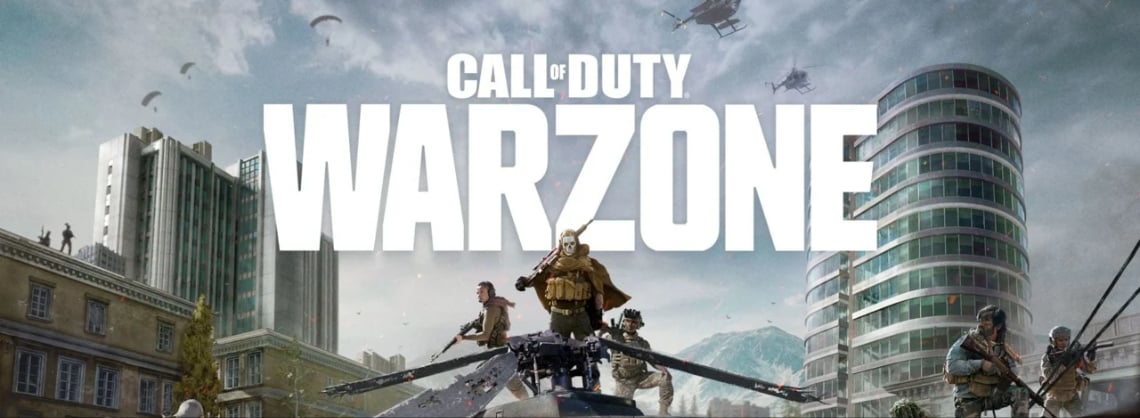
Since its launch in 2020, Warzone built its reputation around grounded military action, high-stakes gunfights, and realistic visuals. Maps like Verdansk became iconic because of their tense atmosphere and balanced gameplay. For many fans, that version of Warzone represented the perfect mix between traditional Call of Duty multiplayer and the battle royale genre.
Over the past year, however, the game has shifted toward a much faster and more experimental style. Redeploy mechanics, movement changes, event-based objectives, and themed crossover content have become central parts of the experience. Recent collaborations with major entertainment franchises have introduced flashy operator skins, limited-time modes, and cosmetic bundles that some players feel clash with the game’s original tone.
Critics argue that Warzone now feels more focused on entertainment and monetisation than tactical gameplay. Across social media and gaming forums, players have compared the current direction of the game to titles like Fortnite, pointing to the increasing number of crossover events and exaggerated cosmetics as evidence of that change.
Others defend Activision’s approach, saying the battle royale market has become extremely competitive and constant innovation is necessary to keep players engaged. Supporters of the newer updates believe Warzone would become stale without seasonal experimentation and evolving content.
The divide within the community has become especially noticeable whenever classic content returns. The reintroduction of Verdansk generated huge excitement among long-time fans, with many players claiming the older map design and gameplay pacing still represent the best version of Warzone. The reaction highlighted how strongly nostalgia continues to influence the fanbase.
At the same time, newer players often prefer the faster movement systems, larger variety of mechanics, and constant stream of live-service updates. This creates a difficult balancing act for Activision, which must satisfy veteran players while also attracting a modern audience that expects regular content drops and major crossover events.
The debate surrounding Warzone’s identity reflects a larger trend across the gaming industry. Many live-service games now rely heavily on collaborations, seasonal updates, and cosmetic content to maintain player engagement over long periods of time. The challenge is keeping a game fresh without losing the core experience that made players invest in it originally.
As Warzone continues to evolve, the discussion around its future is unlikely to disappear. Whether Activision chooses to lean further into large-scale entertainment crossovers or return to a more grounded military style could shape the next chapter of one of gaming’s biggest franchises.