


Related Stories
Warzone studio co-founder retires after more than three decades
Brian Raffel, co-founder of Raven Software, has officially retired after spending over 30 years in the video game industry. His departure marks the end of a long era for the studio, which he helped build from the ground up.
Raffel co-founded Raven Software in 1990 alongside his brother Steve in Madison, Wisconsin. The studio started as a small operation but quickly made a name for itself through collaborations with id Software, producing well-known titles from the 1990s era of first-person shooters. Over time, Raven grew into a major development team within the industry.
Although Steve Raffel stepped away from the company in 2017, Brian remained and continued leading the studio for several more years. His retirement now closes the chapter on the Raffel family’s direct involvement with the company they created.
Raven Software confirmed the news in a statement, highlighting Raffel’s journey from working on early projects like Black Crypt to overseeing a studio that now employs hundreds of developers. Throughout his leadership, Raven contributed to a wide range of games, including Hexen, Star Wars Jedi Knight: Jedi Academy, X-Men Legends, and Wolfenstein.
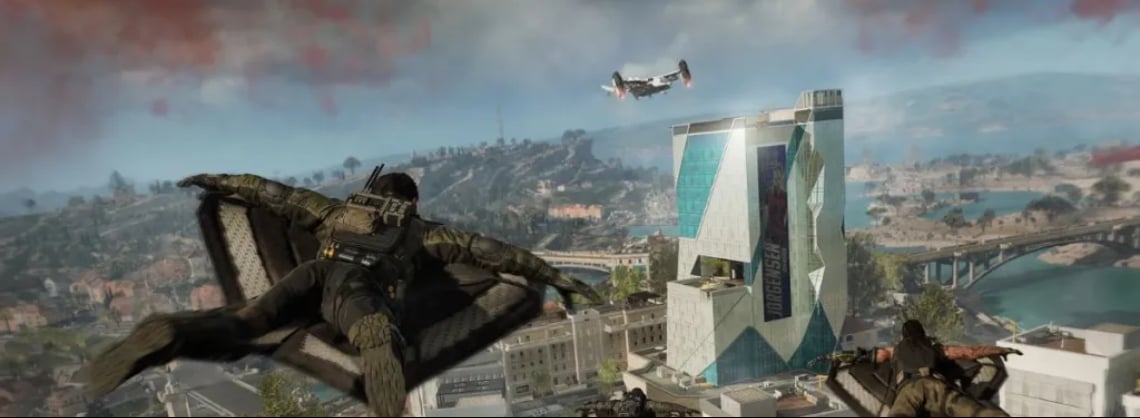
In more recent years, the studio has played a key role in the Call of Duty franchise. Raven has been heavily involved in developing Warzone and supporting major titles such as Black Ops Cold War and later entries in the series. The company has become an important part of one of the most successful gaming franchises in the world.
Following Raffel’s retirement, co-studio head David Pellas will take full leadership of Raven Software moving forward.
Industry figures also paid tribute to Raffel’s career. Doom co-creator John Romero recalled how an early connection with Raven helped lead to the creation of Heretic in the 1990s. He credited Raffel with guiding the company through challenging early years and maintaining its success over decades—something few studios have achieved.
Raffel’s retirement represents not just the departure of a founder, but the conclusion of a significant legacy in game development spanning more than three decades.